Deprecated: Using null as an array offset is deprecated, use an empty string instead in /www/hyperboost_324/public/wp-includes/class-wp-block-type-registry.php on line 168
Deprecated: Using null as an array offset is deprecated, use an empty string instead in /www/hyperboost_324/public/wp-includes/class-wp-block.php on line 256
Deprecated: Using null as an array offset is deprecated, use an empty string instead in /www/hyperboost_324/public/wp-includes/class-wp-block-type-registry.php on line 168
Deprecated: Using null as an array offset is deprecated, use an empty string instead in /www/hyperboost_324/public/wp-includes/class-wp-block.php on line 256
Deprecated: Using null as an array offset is deprecated, use an empty string instead in /www/hyperboost_324/public/wp-includes/class-wp-block-type-registry.php on line 168
Deprecated: Using null as an array offset is deprecated, use an empty string instead in /www/hyperboost_324/public/wp-includes/class-wp-block.php on line 256
Deprecated: Using null as an array offset is deprecated, use an empty string instead in /www/hyperboost_324/public/wp-includes/class-wp-block-type-registry.php on line 168
Deprecated: Using null as an array offset is deprecated, use an empty string instead in /www/hyperboost_324/public/wp-includes/class-wp-block.php on line 256
Deprecated: Using null as an array offset is deprecated, use an empty string instead in /www/hyperboost_324/public/wp-includes/class-wp-block-type-registry.php on line 168
Deprecated: Using null as an array offset is deprecated, use an empty string instead in /www/hyperboost_324/public/wp-includes/class-wp-block.php on line 256
Deprecated: Using null as an array offset is deprecated, use an empty string instead in /www/hyperboost_324/public/wp-includes/class-wp-block-type-registry.php on line 168
Deprecated: Using null as an array offset is deprecated, use an empty string instead in /www/hyperboost_324/public/wp-includes/class-wp-block.php on line 256
Deprecated: Using null as an array offset is deprecated, use an empty string instead in /www/hyperboost_324/public/wp-includes/class-wp-block-type-registry.php on line 168
Deprecated: Using null as an array offset is deprecated, use an empty string instead in /www/hyperboost_324/public/wp-includes/class-wp-block.php on line 256
Deprecated: Using null as an array offset is deprecated, use an empty string instead in /www/hyperboost_324/public/wp-includes/class-wp-block-type-registry.php on line 168
Deprecated: Using null as an array offset is deprecated, use an empty string instead in /www/hyperboost_324/public/wp-includes/class-wp-block.php on line 256
Deprecated: Using null as an array offset is deprecated, use an empty string instead in /www/hyperboost_324/public/wp-includes/class-wp-block-type-registry.php on line 168
Understanding biodiversity along Europe’s coasts is a core objective of HyperBOOST, a research effort supported by the European Space Agency (ESA) that combines field measurements and satellite observations to study ecosystem health. This scientific approach is reflected in the educational resource Nexus Island and its ESA Extension, which brings real-world Earth Observation concepts into the classroom.
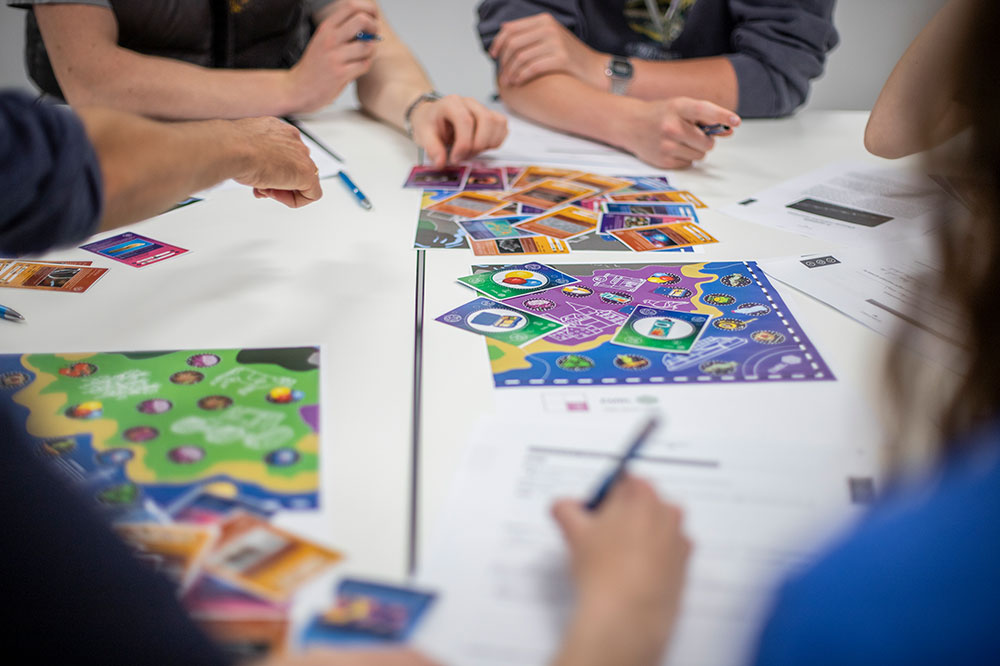
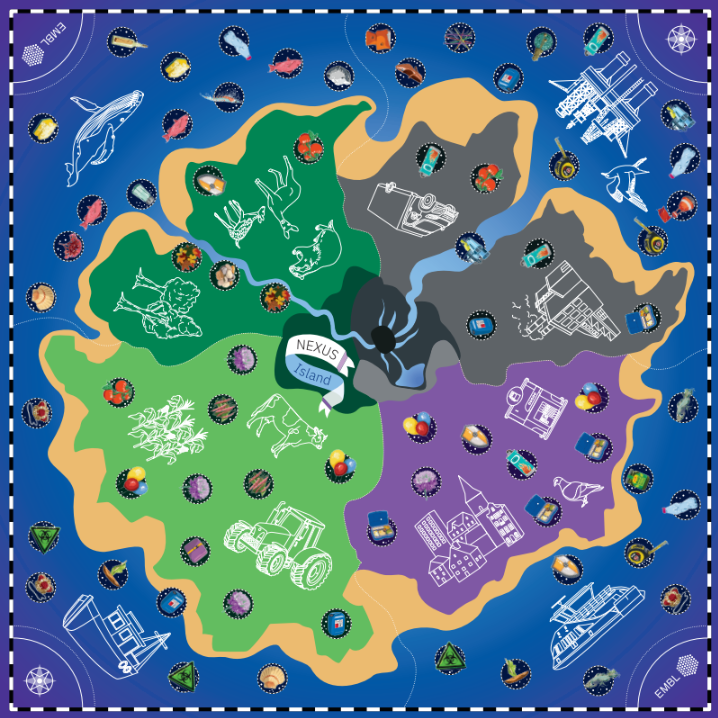
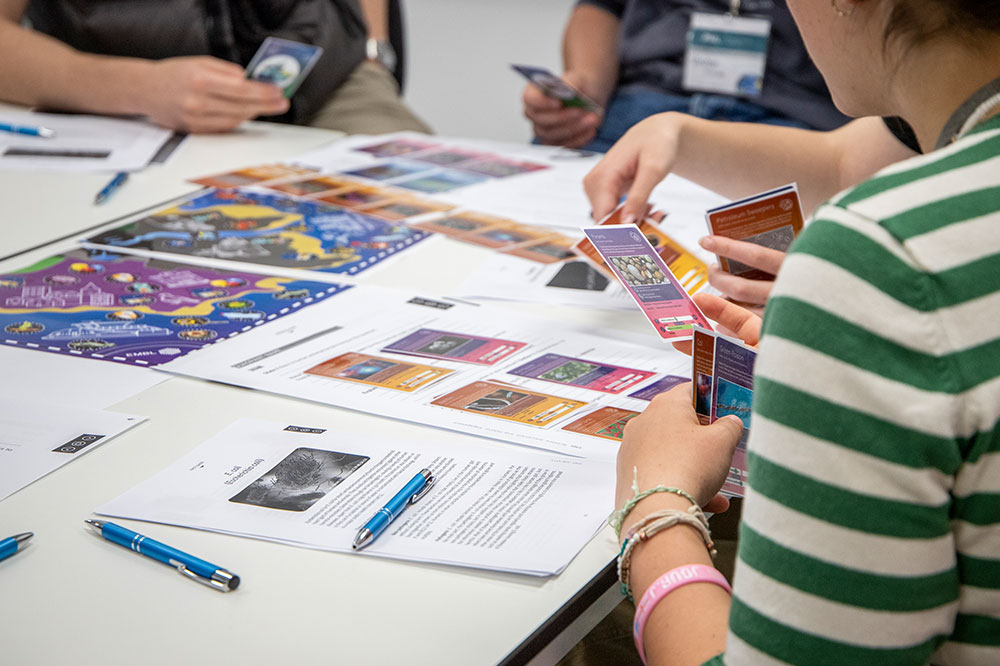
Developed by the European Molecular Biology Laboratory (EMBL), Nexus Island is a game-based learning platform for students aged 14-19 exploring connections between ecosystems, biodiversity, and human activity. The ESA Extension introduces a space-based perspective, allowing learners to work with data inspired by real environmental monitoring workflows – integrating in-situ observations with satellite information from Europe’s Copernicus Programme.
The activities draw inspiration from coastal research carried out during the TREC expedition, where HyperBOOST contributed measurements used to validate satellite products and improve environmental monitoring tools. By placing students in the role of scientific explorers, Nexus Island mirrors this research process – encouraging investigation, interpretation, and evidence-based decision-making.
Plymouth Marine Laboratory
Participants navigate four environments: Nature, City, Agriculture, and Industry – examining how organisms respond to environmental pressures. This focus on ecological relationships and microbial sensitivity reflects the same interconnected dynamics studied in HyperBOOST’s coastal biodiversity research. Satellite data within the ESA Extension demonstrate how Earth Observation supports analysis of ecosystem change and human impact.
By linking interactive learning with active research themes, Nexus Island highlights how environmental science informs real-world solutions. From the HyperBOOST perspective, it provides an accessible way to communicate how integrated observations from field sampling to satellites help advance understanding of Europe’s coastal ecosystems.